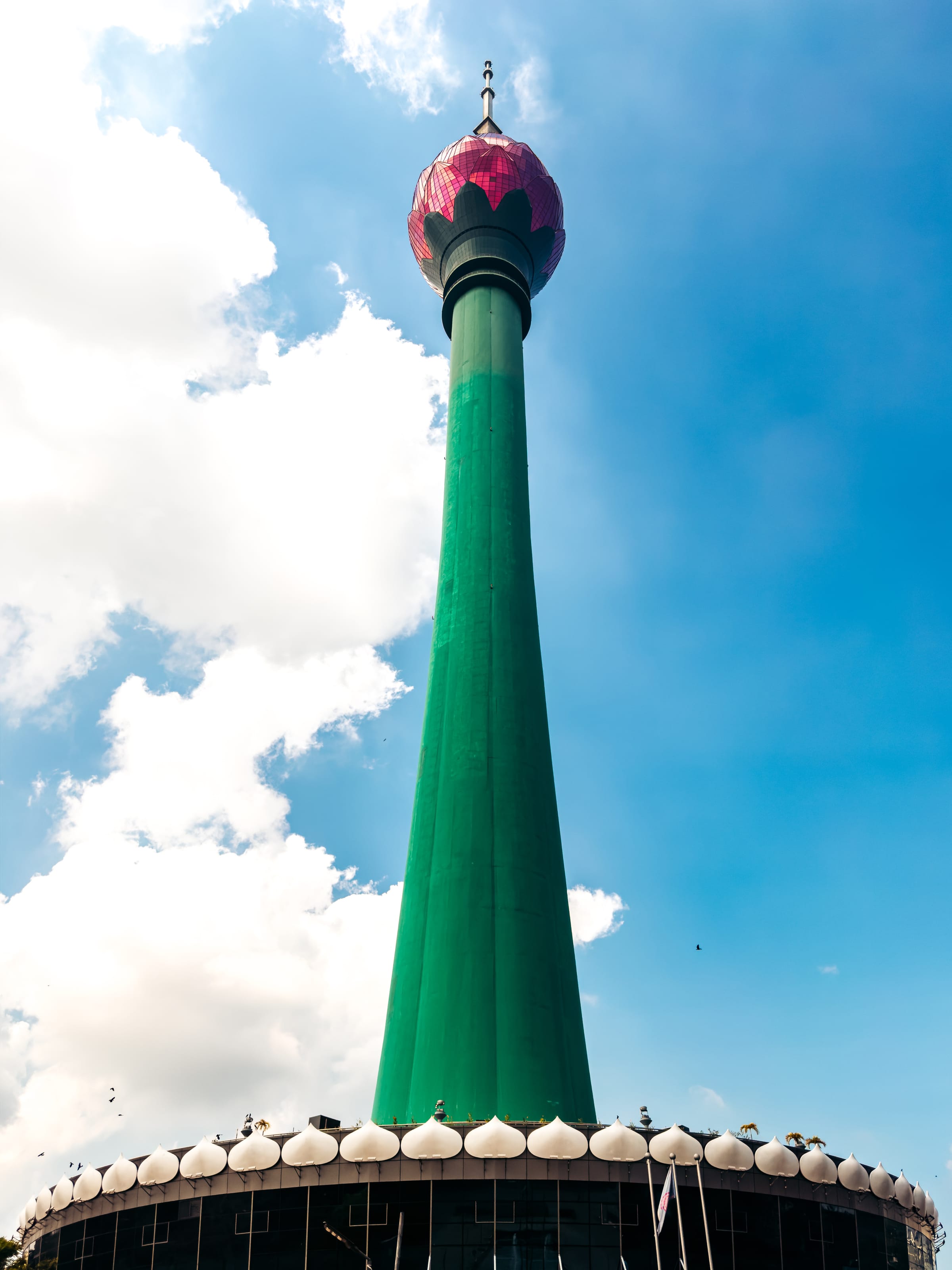
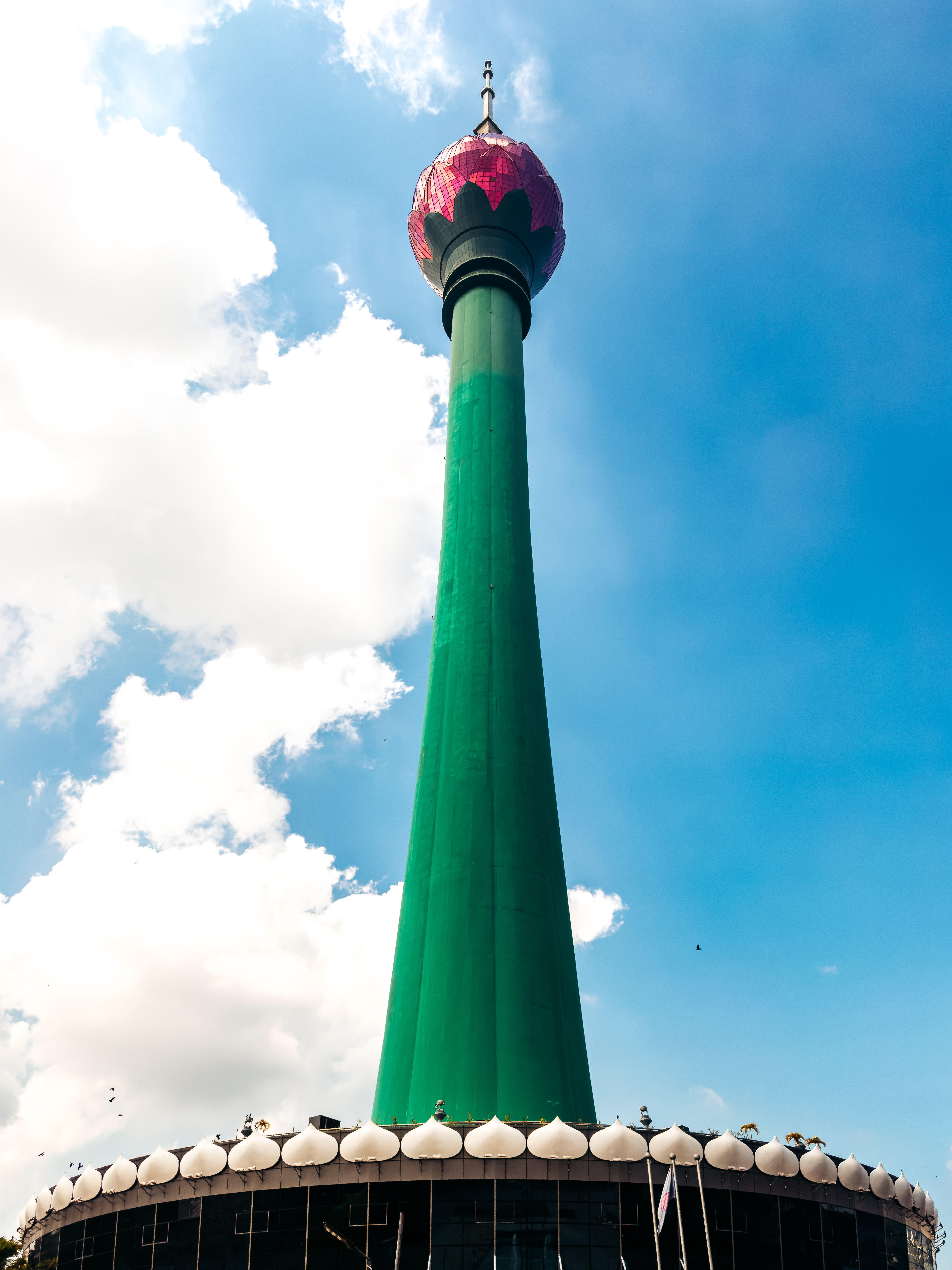
Colombo announces itself gradually, from the highway the tuk-tuks multiply, the hoardings loom, the traffic congeals. After weeks of resort towns and rainforest lodges, the capital felt bustling. The Lotus Tower casino caught the eye on the way to dinner, a neon glow taking centre stage of the cityscape before night fell.
Dinner was at ITC Ratnadipa, where we ordered mud crab. Amusingly the staff were keen to advise us (and our western palate’s) against the fiery black pepper sauce that could result in ‘sweating and tears’. Instead the sweet chilli was recommended as a safer alternative.
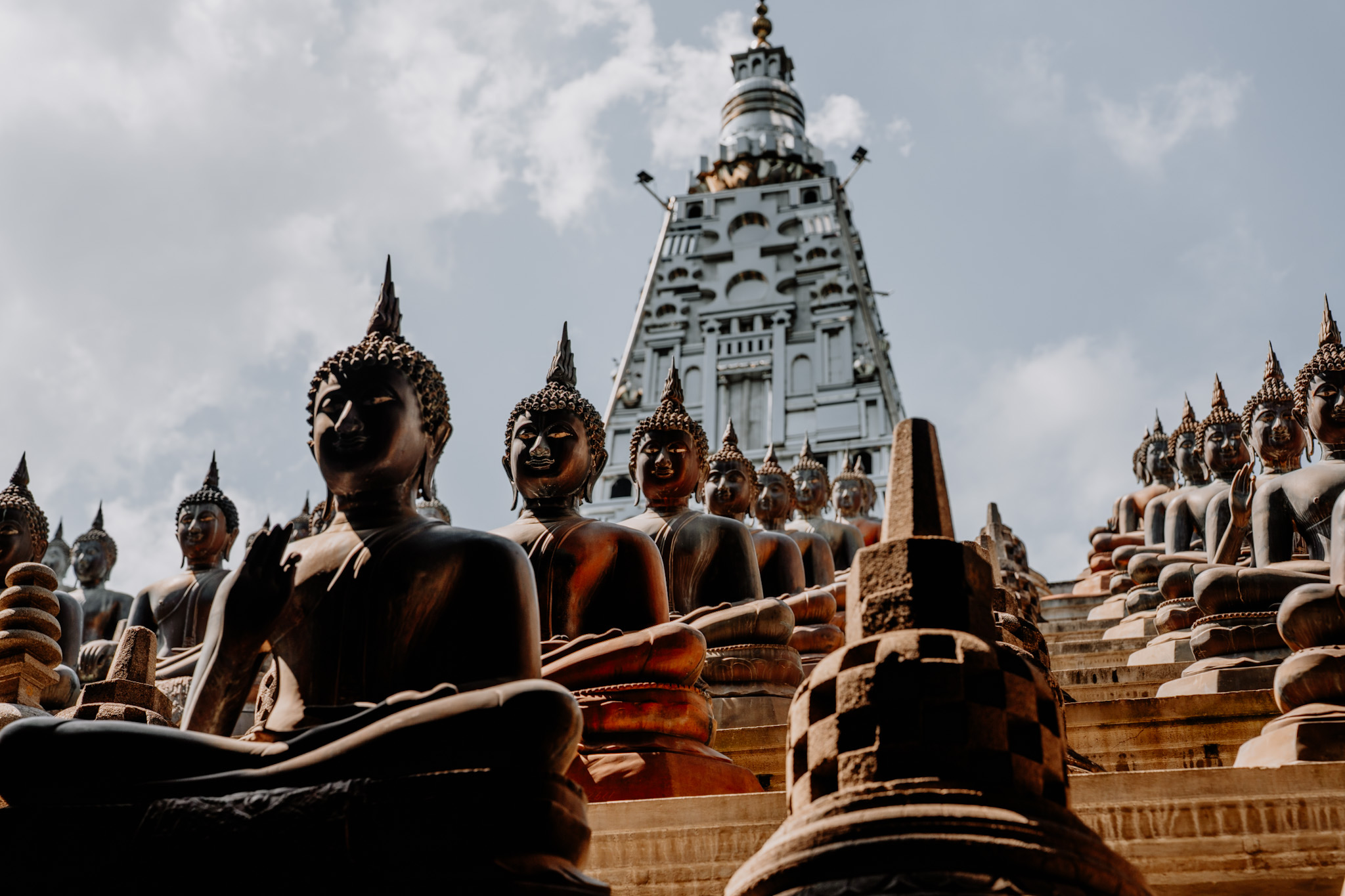
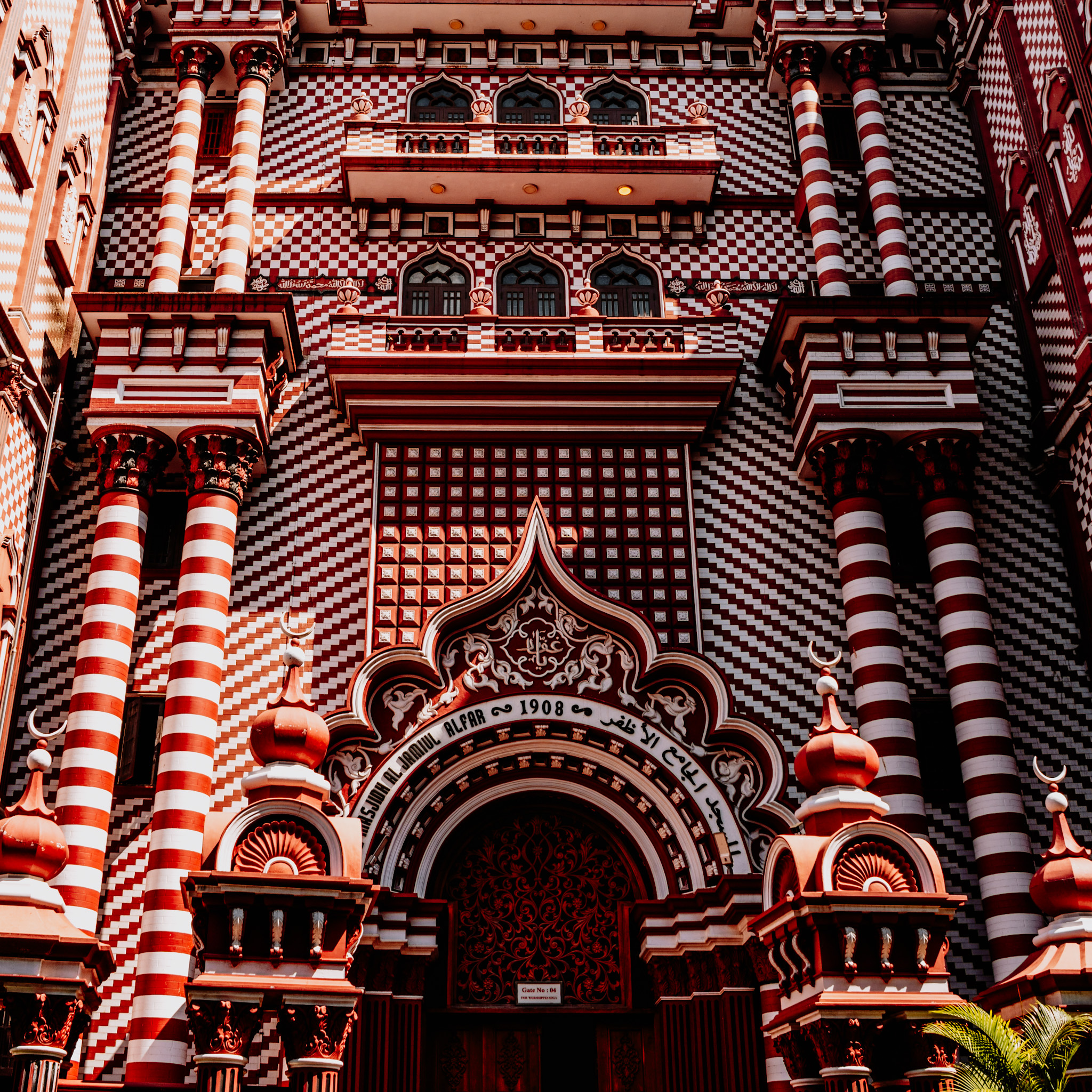
The next morning, a tour of the city. The Independence Memorial is a striking piece of architecture, Kandyan in style, monumental in ambition, built to mark Ceylon’s 1948 independence from Britain in a city the British had spent a century and a half reshaping in their own image. En route we passed the Red Mosque nearby, with its red and white candy-stripe exterior. It sits on Colombo’s old Pettah market streets and has been stopping people mid-sentence since 1909.
The afternoon was spent at the English Tea Shop - a tour of their factories, then a tasting of their range with their knowledgeable team. The following day, an opportunity to connect with the team there, conversations that ranged from sustainability reporting and supply chain ethics to marketing, AI, and what it actually means for a brand to have values rather than simply to express them. The people and the conversations had a generosity to them that felt characteristic of everywhere we’d been in Sri Lanka. It was difficult, as it had been throughout, to leave.
That night, a bus north.
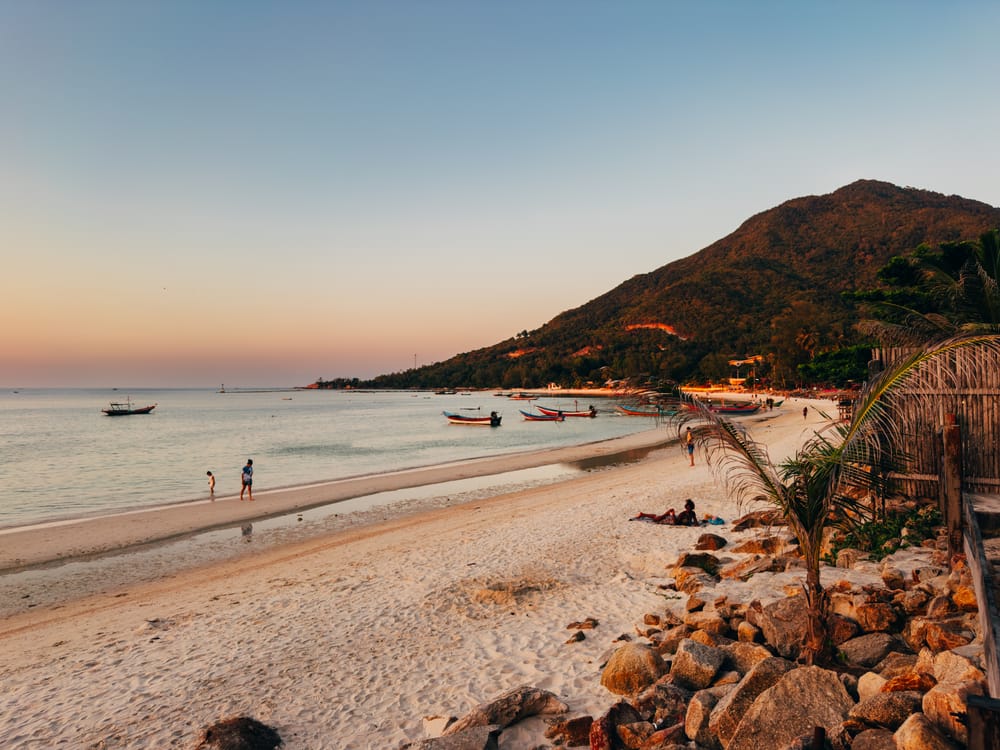
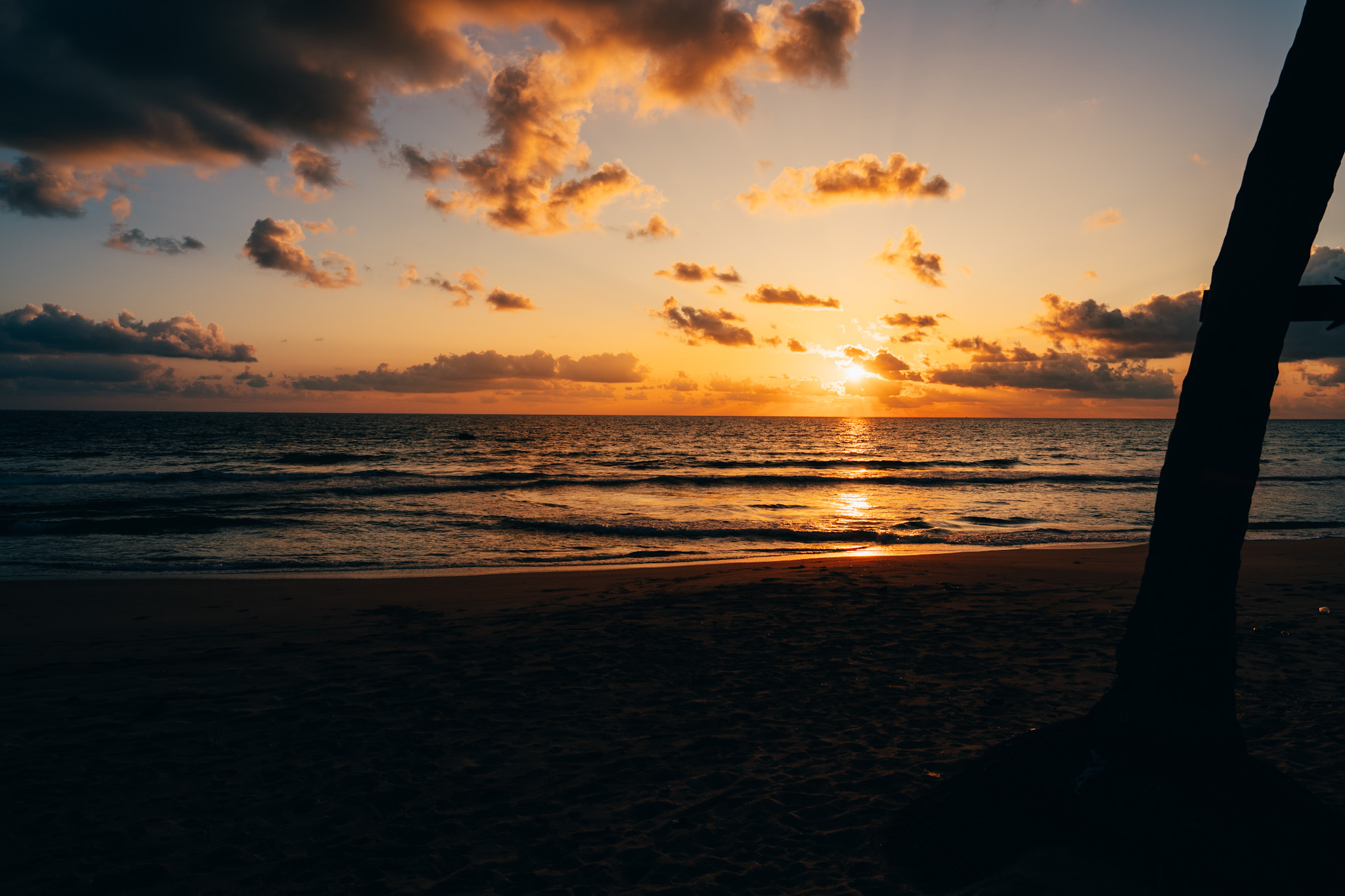
Colombo to Trincomalee by road is about seven hours. By night bus, it is seven hours during which you occasionally wonder if you are still alive. We arrived before dawn, rattling through the city in a tuk-tuk to Nilaveli at 5am as Trincomalee stirred around us. Eventually the bay opened in front of us, the sun not yet up, the water holding the last of the dark. When the sun finally joined us, we ate breakfast on the beach with only the waves and the morning light for company. There are worse introductions to a place.
Trincomalee has been making a great first impression for centuries. One of the world’s great natural harbours, it has attracted everyone who ever wanted to control the Indian Ocean. The Portuguese came first among the Europeans, in the early seventeenth century, demolished the ancient Koneswaram temple that had stood on Swami Rock for over a thousand years, and used its stones to build a fort. The Dutch took the fort. The French took it from them. The British arrived in 1795, named it Fort Frederick after the Duke of York, and stayed until 1957. Horatio Nelson, passed through in the 1770s and reportedly called it the finest harbour in the world. During the Second World War the Japanese bombed it, looking to inflict another Pearl Harbor. They failed, partly because the British had advance warning and had hidden their fleet in a Maldives atoll.
The city is predominantly Tamil, its streets a mix of Hindu temples and colonial remnants, the garrison still visible at the edges. A generation ago it was a no-go zone, the civil war between the Tamil Tigers and the Sri Lankan state made the north and east effectively inaccessible to tourists through most of the 1980s and 90s.
We were there, primarily, to dive.
The PADI Advanced Open Water certification had been the plan since Hikkaduwa. Trincomalee’s east coast was the setting: calmer, cleaner, and on a different monsoon pattern to the south, which means when Colombo is battered, Trincomalee gleams. We would complete five qualifying dives over three days.
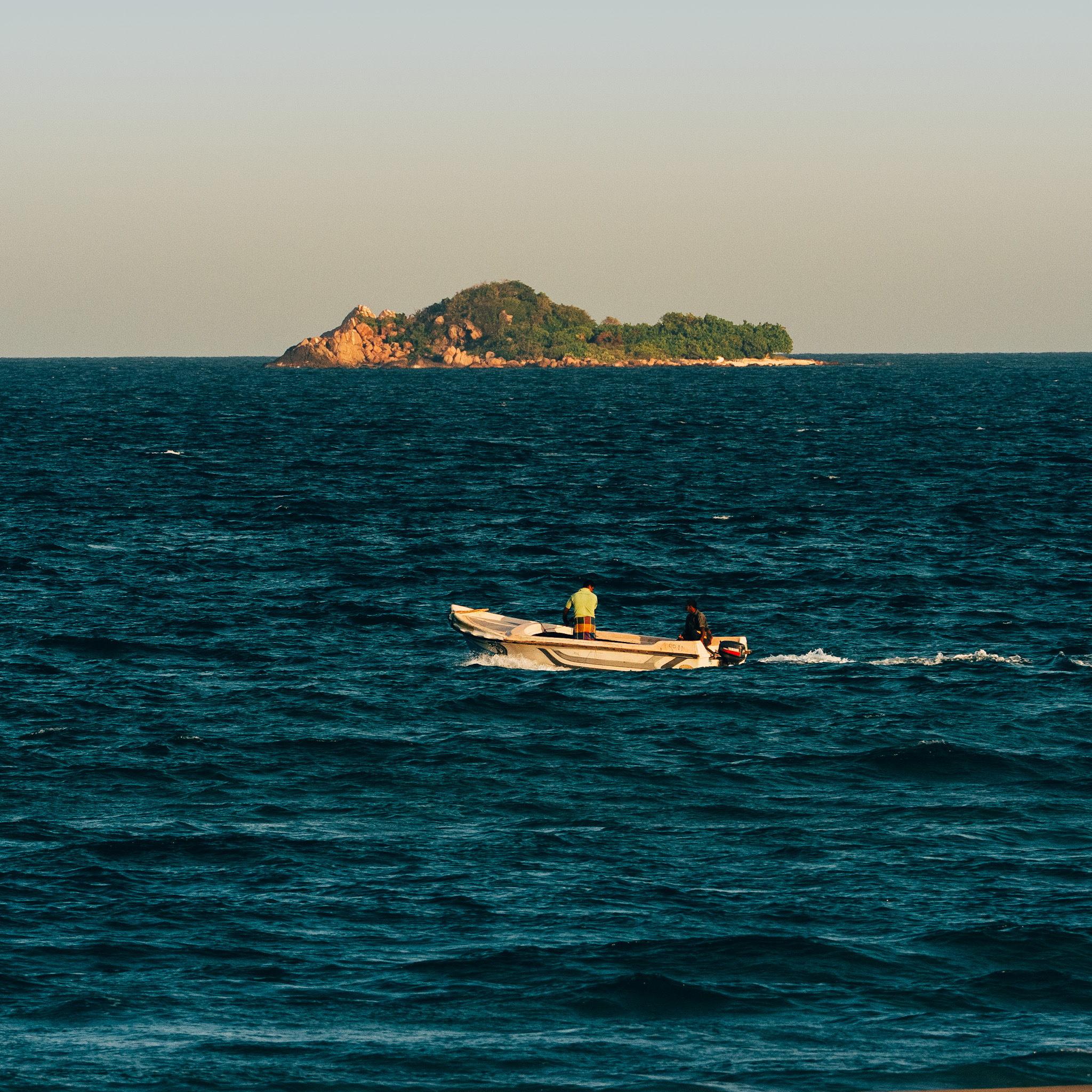
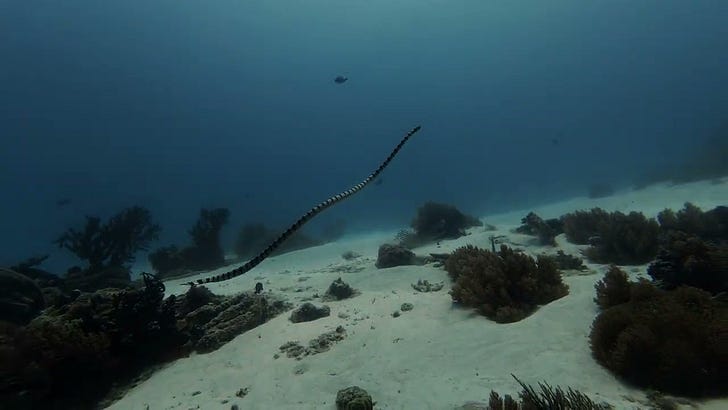
The first took us out to Pigeon Island, a small national marine park about a kilometre off Nilaveli beach, named for the rock pigeons that have colonised its cliffs. We descended into reef that felt alive: hard corals in every configuration, schools of fish moving through the water like slow traffic. During our surface interval, we came ashore on the island itself, which may be the only moment in advanced open water certification where you can snorkel between dives whilst blacktip reef sharks circle in the shallows a few metres away, untroubled by the distinction between your world and theirs. The blacktips here are the only regular aggregation of the species on Sri Lanka’s entire east coast. Closer to the shore, the reef looked battered from Cyclone Ditwah in late 2025.
The deep dive element of our qualification was at Swami Rock, directly below the Koneswaram temple, reconstructed in 1963, after Arthur C. Clarke and a photographer named Mike Wilson discovered its ruins scattered across the seabed in 1956, three centuries after the Portuguese had demolished it and thrown what remained into the sea. At 25 metres our instructor produced a colour chart: the reds had vanished from the spectrum entirely, filtered out by the water column above. Then a spelling test, reversed. Nitrogen narcosis, sometimes called the rapture of the deep, has a way of making simple tasks harder than they should be, in a manner that is difficult to explain at the surface. You feel fine. You are also, measurably, not entirely yourself.
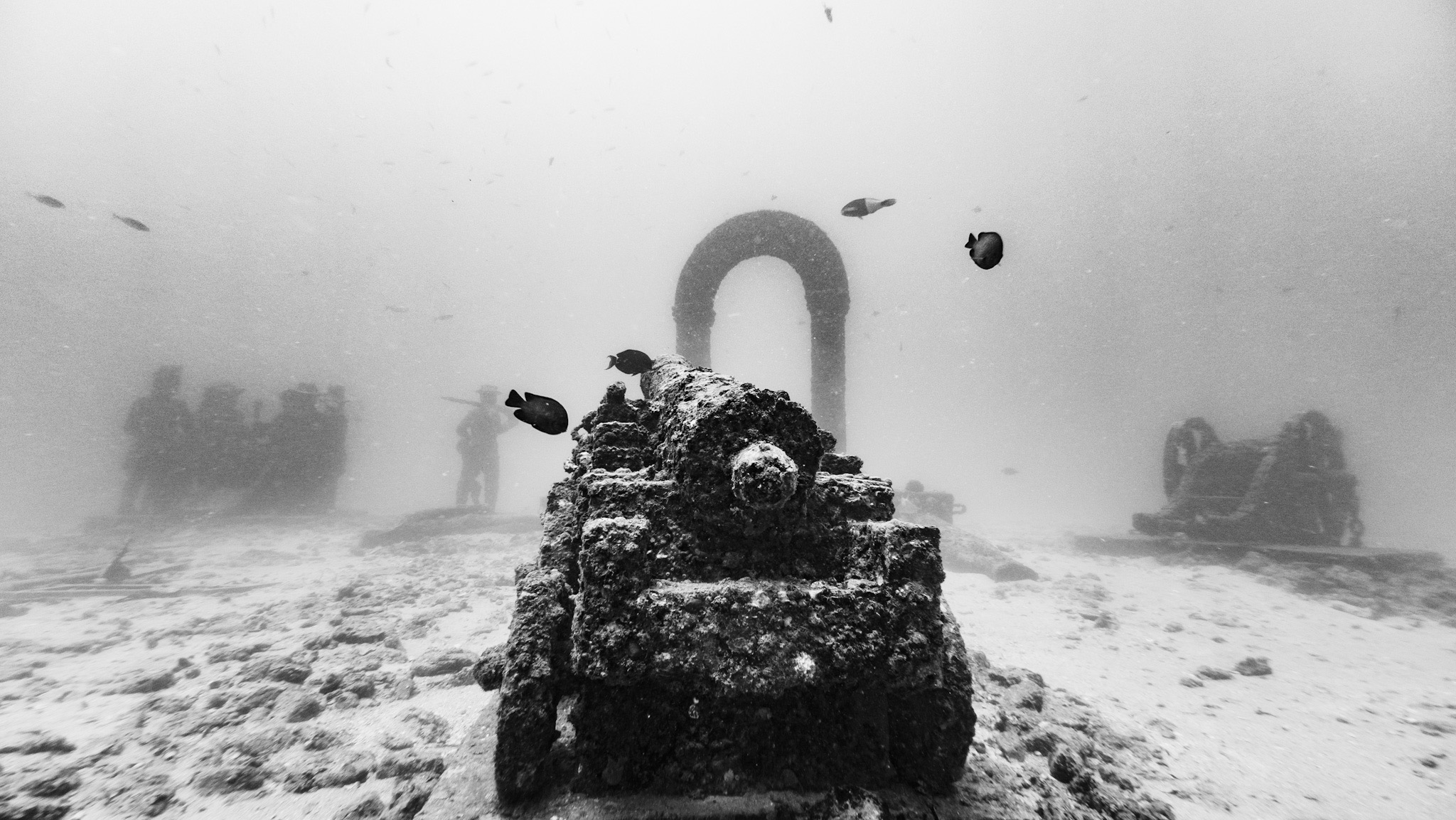
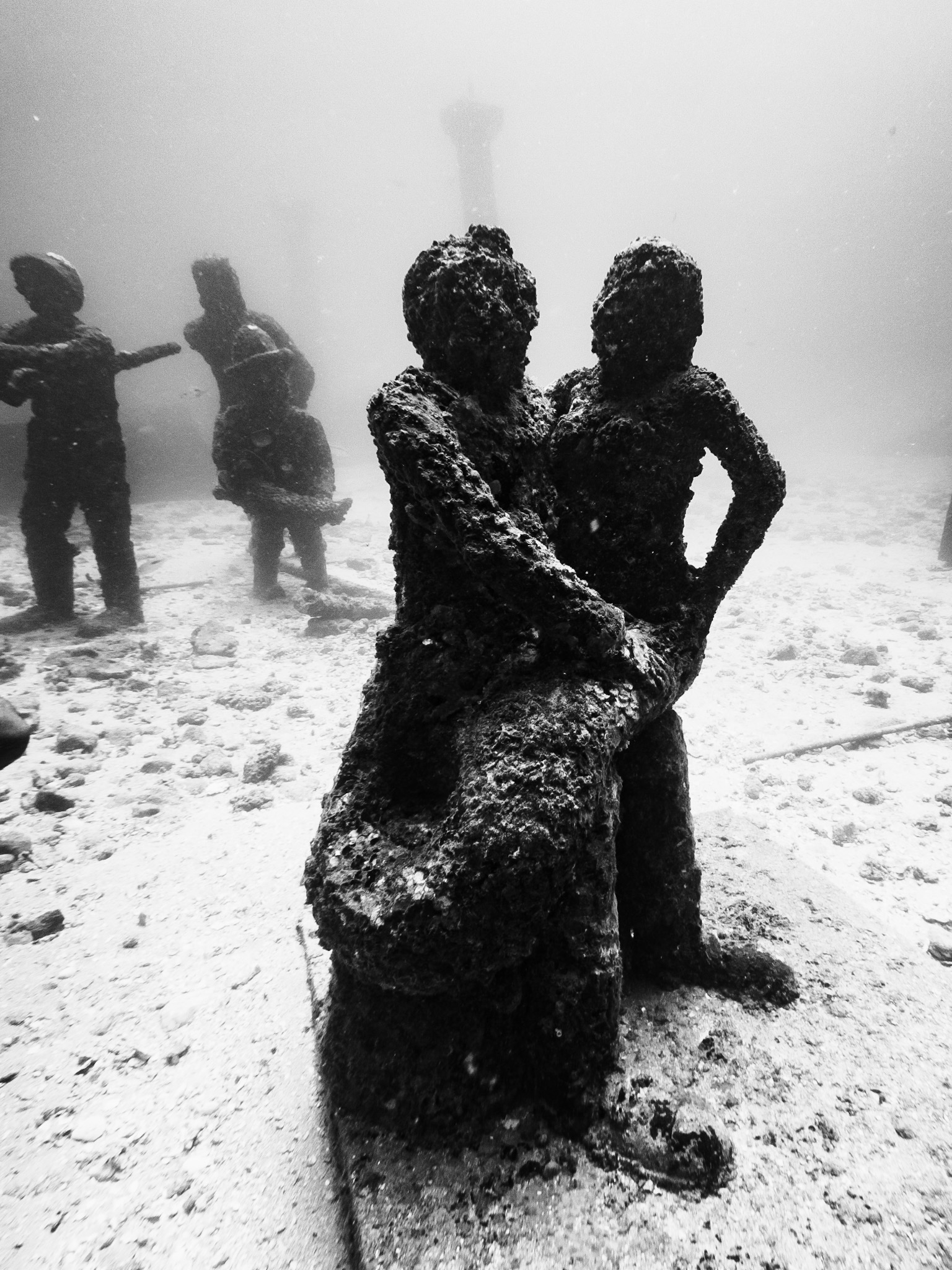
The remaining qualifying dives took us to the Navy wrecks, a collection of retired gunboats sunk in the bay and left for the reef to reclaim. It is an act of deliberate generosity: marine life moves in quickly, coral follows, and what was once a vessel becomes something closer to a marine neighbourhood. The Navy called it an underwater museum. That’s not wrong. Moving through them in the blue quiet, past hulls that have become architecture for fish and a spectacle for divers.
Five qualifying dives across three days, then two more as newly certified advanced divers, back in the waters near Pigeon Island, where we had started. A squid hovered above the reef bed. Nudibranchs lurking in vibrant patchwork on the corals.
We had planned to move on. Instead we extended by two nights. The beach and the surrounding area is quiet in a way that the south coast rarely is. The water is clear. We had earned a few days of doing very little, and we took them.
The Middle East conflict had been news throughout the trip, distant in the way that international news usually feels when you’re elsewhere. Here, it wasn’t distant. Trincomalee’s economy runs on tourism and on the dive industry in particular. Empty tables at beachside restaurants. Conversations with dive operators about the difficulty of getting fuel for the boats. Bookings cancelled, not rebooked. The people running these businesses were composed about it and cannot afford to let worry show. But the concern was there underneath. A conflict that began on the other side of the Indian Ocean was arriving here in the form of absent guests, rising costs and an uncertain future.
Sri Lanka spent most of the 2000s and 2010s rebuilding tourism from nothing. The east coast in particular opened late, the civil war having kept it closed long after the south had recovered. The people here have navigated worse. That knowledge doesn’t make the current situation any easier.
The ancient Sanskrit name for Sri Lanka is Ratnadipa ’Island of Gems’. We had crossed it coast to coast, and the name had held true at every point along the way.