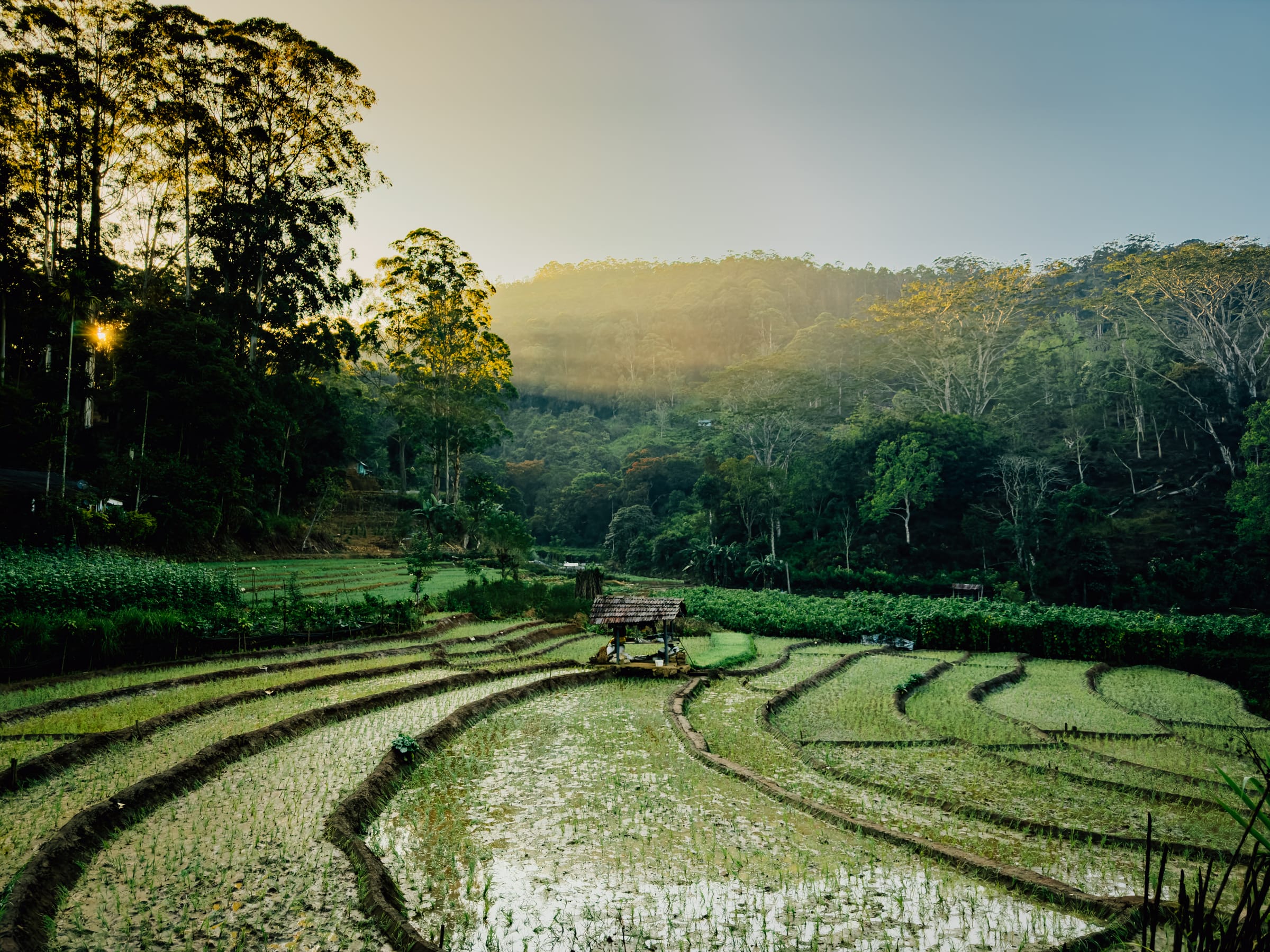
Sitting at just over 1,000 metres above sea level in the Badulla District, the town looks out through the Ella Gap across the southern plains below.  The air is cooler up here, noticeably so after the coastal heat and stifling rainforest humidity. Temperatures rarely push beyond 25 degrees; the surrounding hills are thick with cloud forest and tea plantations, and the landscape carries the particular green of somewhere that gets a lot of rain. The British arrived in 1883 and started planting tea, and the railway followed to carry it out.
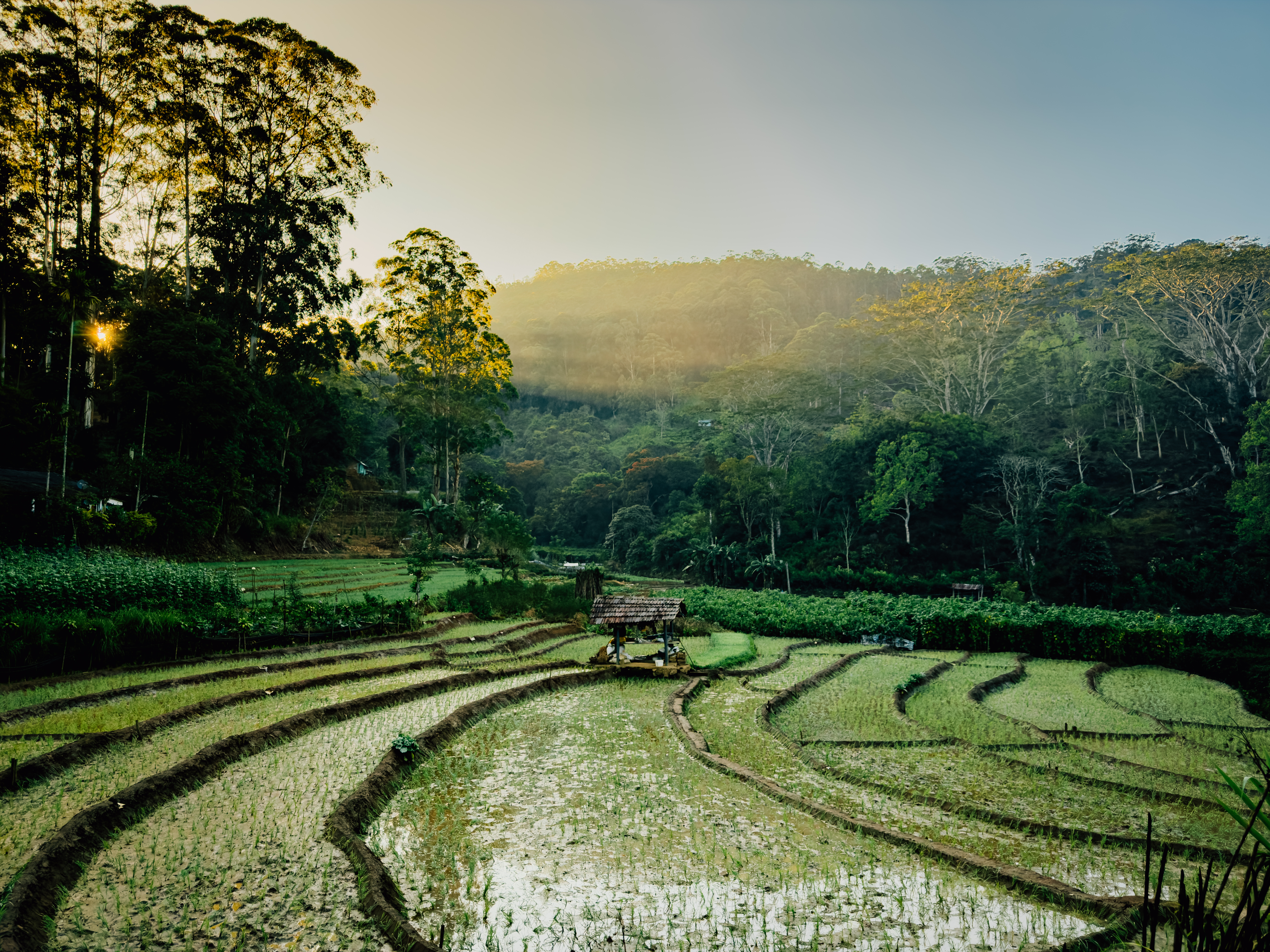
For us, that meant sleeping under a duvet for the first time in weeks. The lungs had been underwater; the boots had been through Sinharaja’s mud, Ella was somewhere to recharge.
Ella has a reputation. We arrived expecting something close to chaos. What we found was quiet. A group of four Australians. A couple of British expats based in Dubai. By the standards we’d set ourselves over the preceding weeks, it felt busy.
We’d made the journey here from Udawalawe during the hottest part of the day. Somewhere along the route, unprompted, our driver pulled over and handed us king coconuts from a roadside stall (securing the local rate, not the ’foreigner’ price). Indigenous to Sri Lanka, high in electrolytes, precisely what you need at that point in the afternoon. We’d stopped twice for fuel before that; both times the pumps were dry. When we eventually found a station with supply, as tourists, we were waved to the front of the queue.
Our hotel had received over 120 cancellations. The local cookery school, more than 700. A conflict thousands of miles away had simply turned the tap off. Around a third of Sri Lanka’s tourist arrivals pass through Middle Eastern hubs, and over 768 scheduled flights bringing tourists to the island had been cancelled  since the disruptions began. Experts estimate the country is losing roughly half a million dollars a day.  You don’t need the figures to feel it. You just need to walk down Ella’s main street at peak season and count the empty chairs, at witness the eagerness of the staff to shout you over to their establishment from the pavement.
It was unsettling precisely because it took a keen eye to notice. The infrastructure of hospitality remained fully intact. Every interaction carried the same warmth, the same unhurried attention. Nothing had been dialled back. If anything, the opposite.
This morning: a tuk-tuk at 06:30 to the Ella Rock trailhead. The route begins at Kithalella station, follows the railway tracks for a stretch, then cuts up through agricultural land that was already busy when we arrived, farmers making use of the cooler hours before the heat sets in. Six and a half kilometres out and back. Returning to town afterwards, the tuk-tuk drivers were harder to flag down than usual. Fuel quotas. Fewer fares to justify the journey.
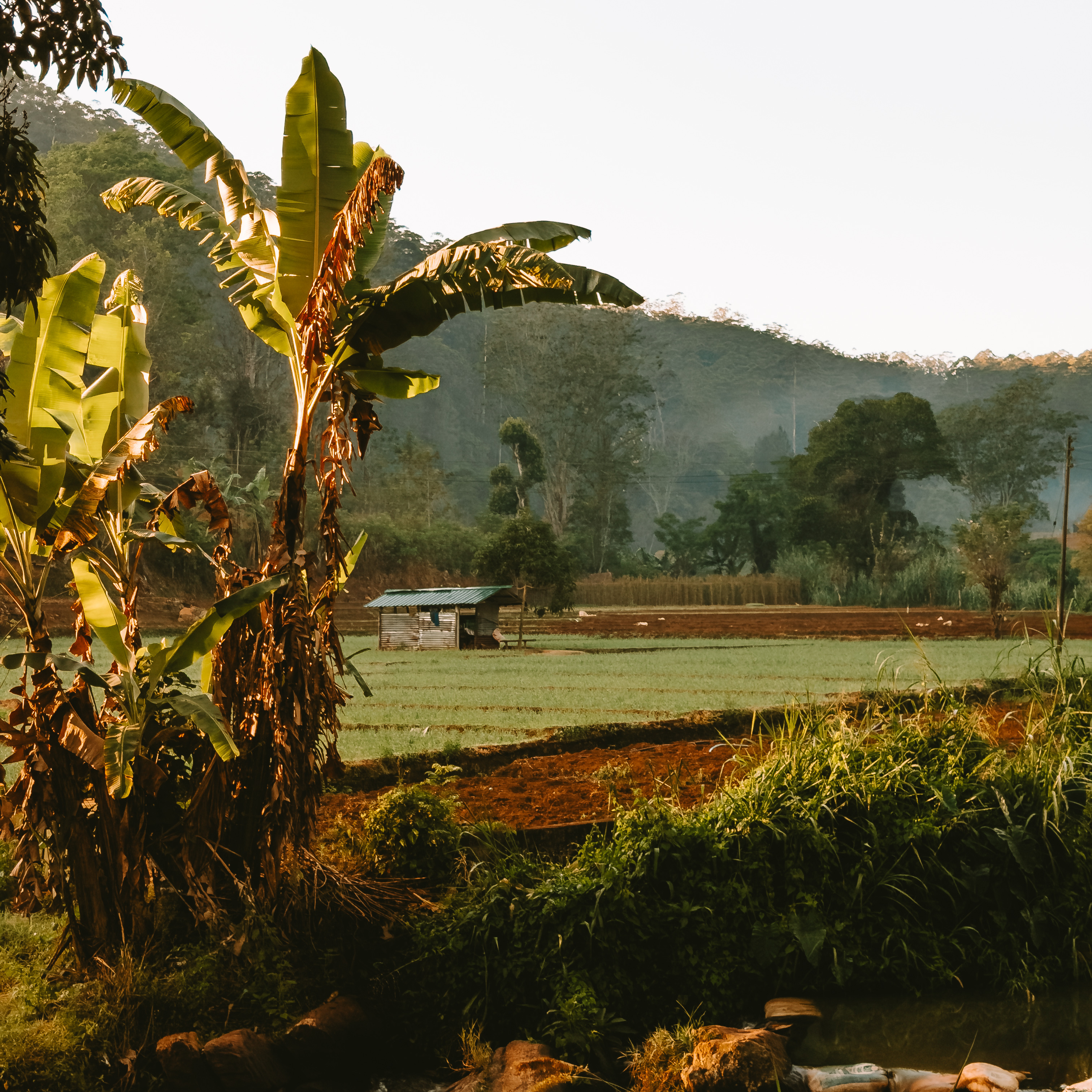
Sri Lankan hospitality is, by some distance, the best I’ve encountered. At every place we’ve stayed, people have gone out of their way in ways that go well beyond professional obligation. Nothing has been too much trouble. Which makes the current situation harder to rationalise.
There’s a paradox in being treated this well while knowing why the effort is being made. The IMF noted just this week that Sri Lanka’s economy, while growing, remains significantly exposed to the conflict through its reliance on tourism and exports.  The hospitality isn’t false. But it exists within an economy precarious enough that warmth and necessity have become difficult to separate. We feel undeserving of it, and yet we are entirely aware that our presence here matters.