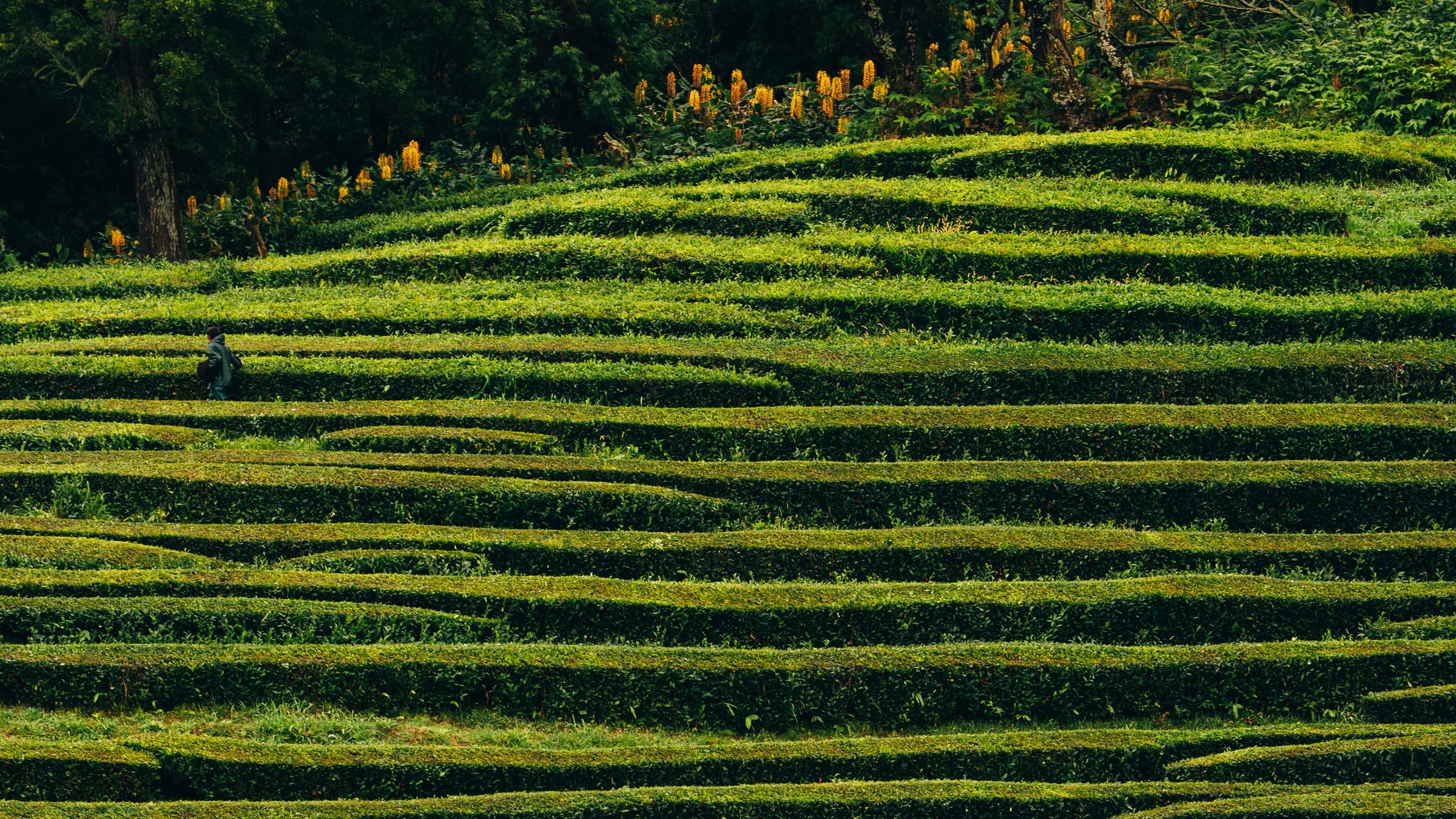
Fábrica de Chá Gorreana
Our day began with a reminder of just how unpredictable Azorean weather can be. A heavy rainstorm pushed in from the north with the kind of sudden intensity you’d expect this far out in the Atlantic. Today we left Capelas behind and made our way towards Nordeste. Where Capelas seemed defined by its connection to the ocean, Nordeste’s story is tied much more to the land; its agriculture, its remoteness, and the way the landscape dominates daily life.
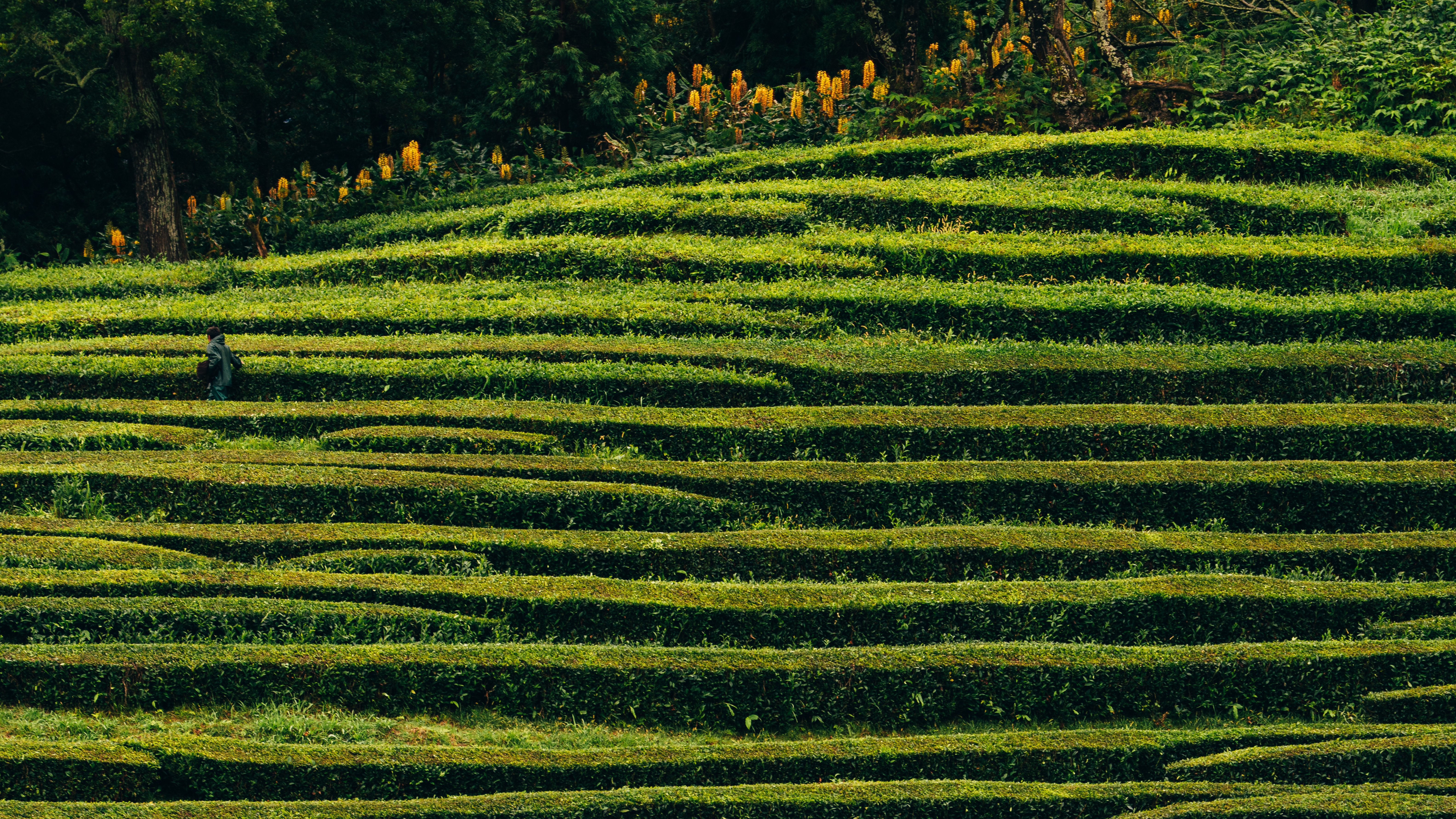
On the road we stopped at the Gorreana Tea Factory and Plantation (Fábrica de Chá Gorreana), on the north coast near Maia in the municipality of Ribeira Grande. Gorreana is Europe’s oldest tea plantation, producing tea continuously since 1883. It’s still a family-run business, now in its fifth generation, and remarkably much of the machinery dates back to the 1840s. Built by the British company Marshall, the rollers, dryers, and sifters are still in use today, maintained with the same care as when they were first installed.
Tea first came to São Miguel in the early 19th century, after the collapse of the island’s orange export market due to disease. In 1874, two Chinese tea experts were invited to teach cultivation techniques, and less than a decade later Gorreana was founded. The plantation now covers about 32 acres and produces around 40 tonnes of tea annually. Green, black, and orange pekoe teas are all grown here, without the use of chemical pesticides or herbicides.
The plantation is open to the public free of charge, and we toured the factory floor to watch the old machines still clattering away before sampling the different varieties in the tasting room. Afterwards we walked one of the trails that cut through the estate, climbing up through the neat rows of tea bushes to the Cidreira Waterfall, whose waters are harnessed downstream to irrigate the plantation.
Nordeste
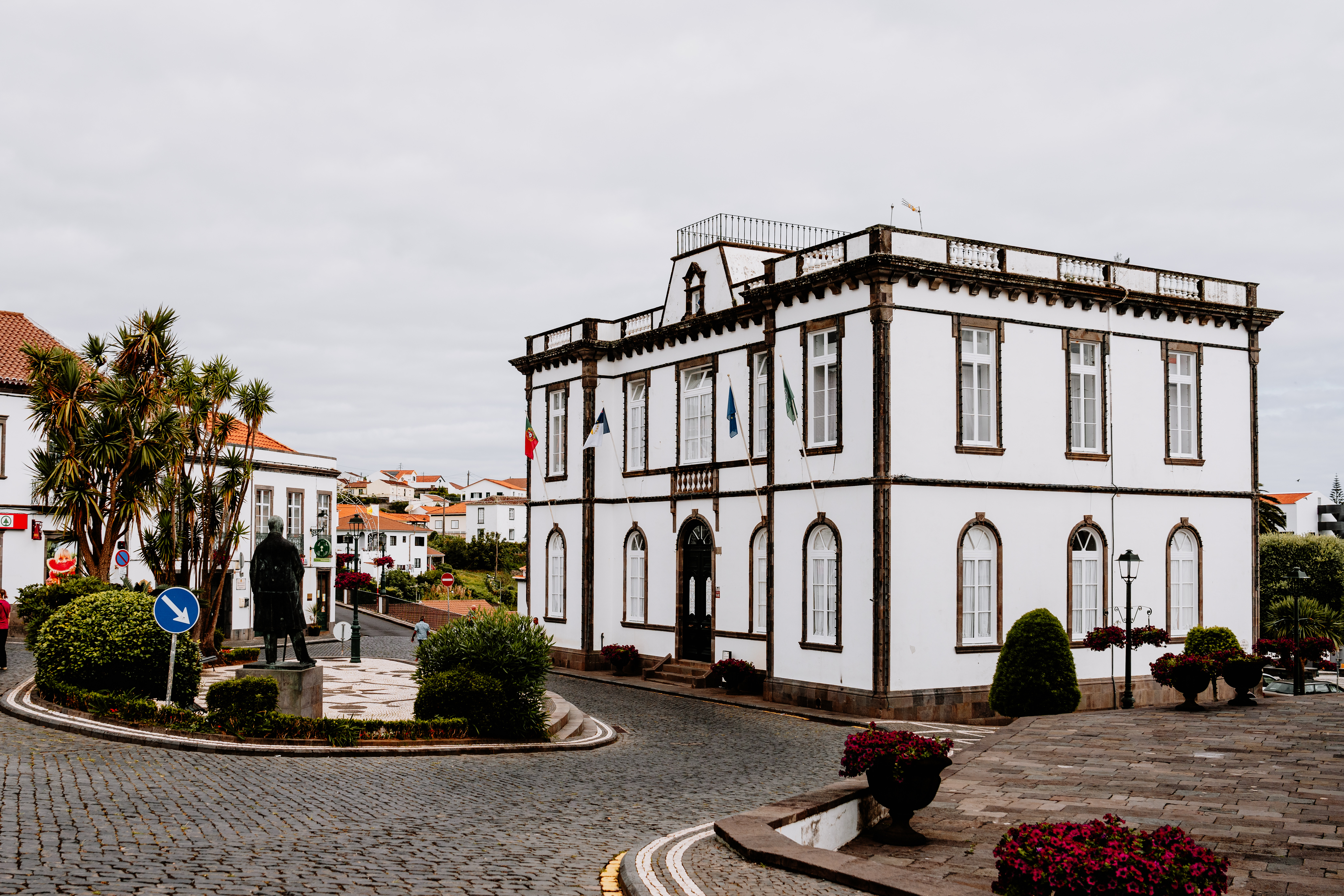
With only around 4,400 residents, Nordeste is the least populated region of São Miguel. Known as the flower district for its colourful plants, tidy gardens, and well-kept public spaces, it has a noticeably different atmosphere from other parts of the island we’ve visited.
We arrived at our accommodation high on the hillside and met the cleaner, who was just finishing up. A broken conversation followed - part Google Translate (which struggled with the Azorean dialect), part dramatic hand gestures. When we mentioned we’d been snorkelling and on a whale-spotting trip, she shook her head firmly, making it clear that the sea was not for her. She preferred her feet on solid ground. On reflection, it seemed to illustrate something fundamental about Nordeste: here the land is everything, in contrast to other parts of the island where lives have been shaped materially and culturally by the ocean.
Dinner that evening was in a small place just off the town centre, Tasca do Costa. Known for its pork and seafood dishes, I tried the pork cheeks, slow-cooked in a deep, hearty sauce with just a hint of sharpness, served alongside seasoned rice. It was simple, homely food, served on low picnic tables near the main square, and absolutely delicious.
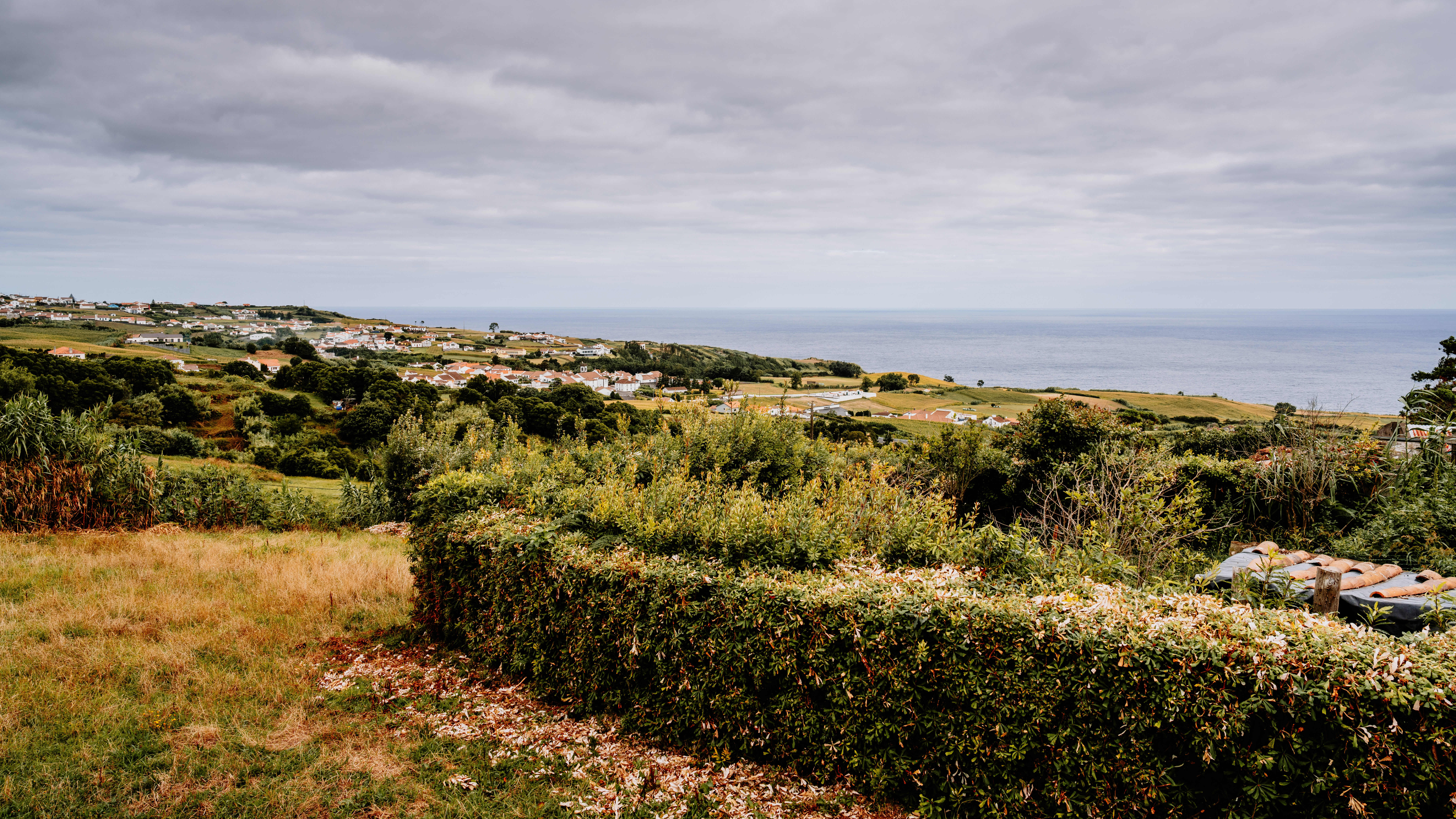
We stayed at a house called Vento do Nordeste ‘Wind of the Northeast’. Perched high on the rippling hills, it’s easy to see how it got its name. With panoramic views in every direction, you can choose to watch the evening light strike the inland peaks or look out over the Atlantic which, from up here, appears deceptively calm.