After our 4am start the day before, it was a relief to wake slowly at the foot of Mount Pico, the island’s dark slopes towering above. We took a short drive into Madalena, Pico’s main town, in search of a snorkelling trip. Every operator seemed fully booked, including the team we had sailed with on the whale tour the day before. As we left their office disappointed, one of their staff came running down the street to catch us. They recognised us and promised to put on a boat especially for us the following morning, a kindness that summed up the generosity of people on Pico.
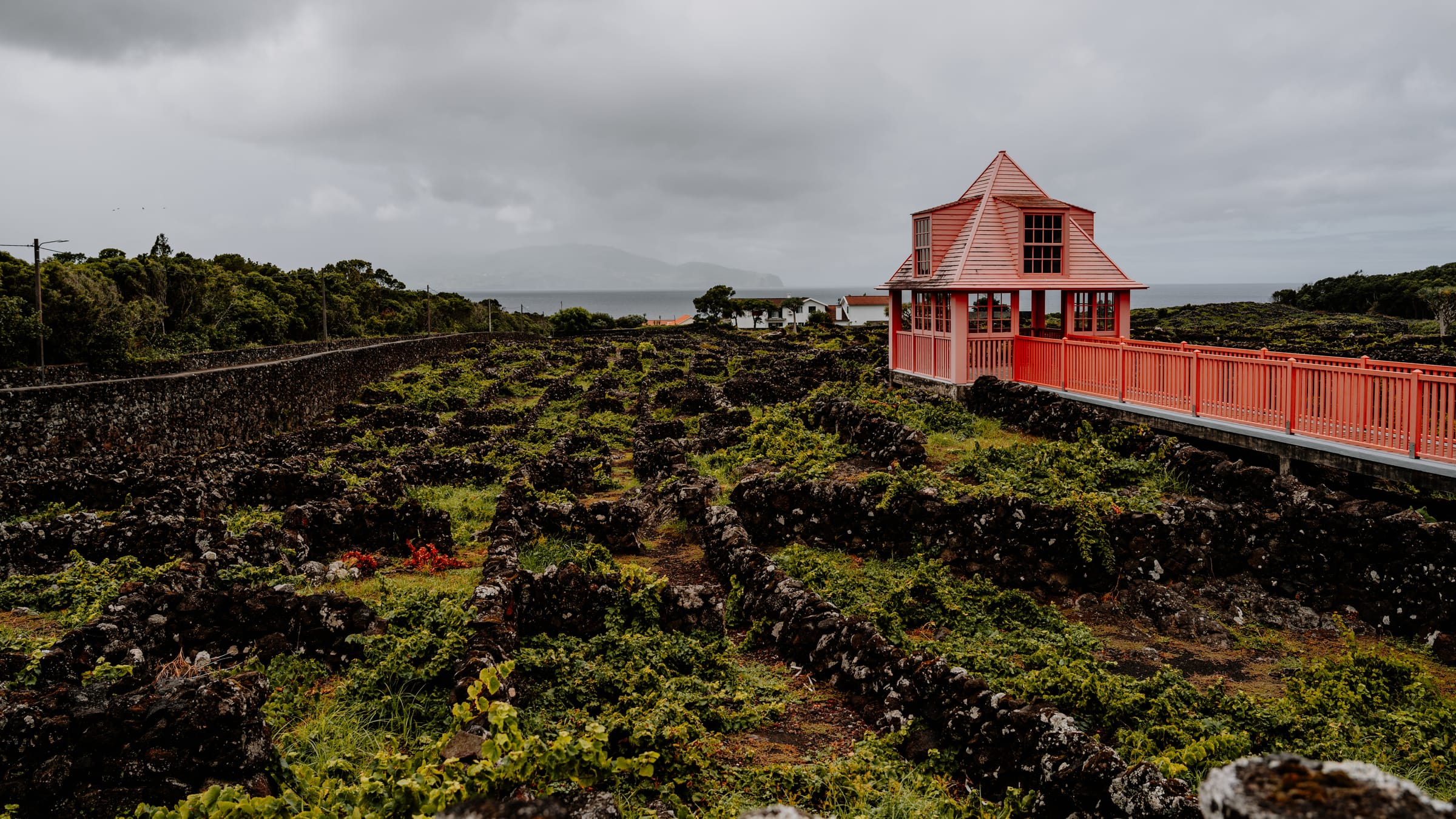
Snorkeling trip secured, we drove a few minutes out of town to visit the Wine Museum, a place that tells the story of the industry that has defined Pico for centuries. The island’s vineyards are UNESCO-listed, their vines protected by endless walls of black volcanic stone.
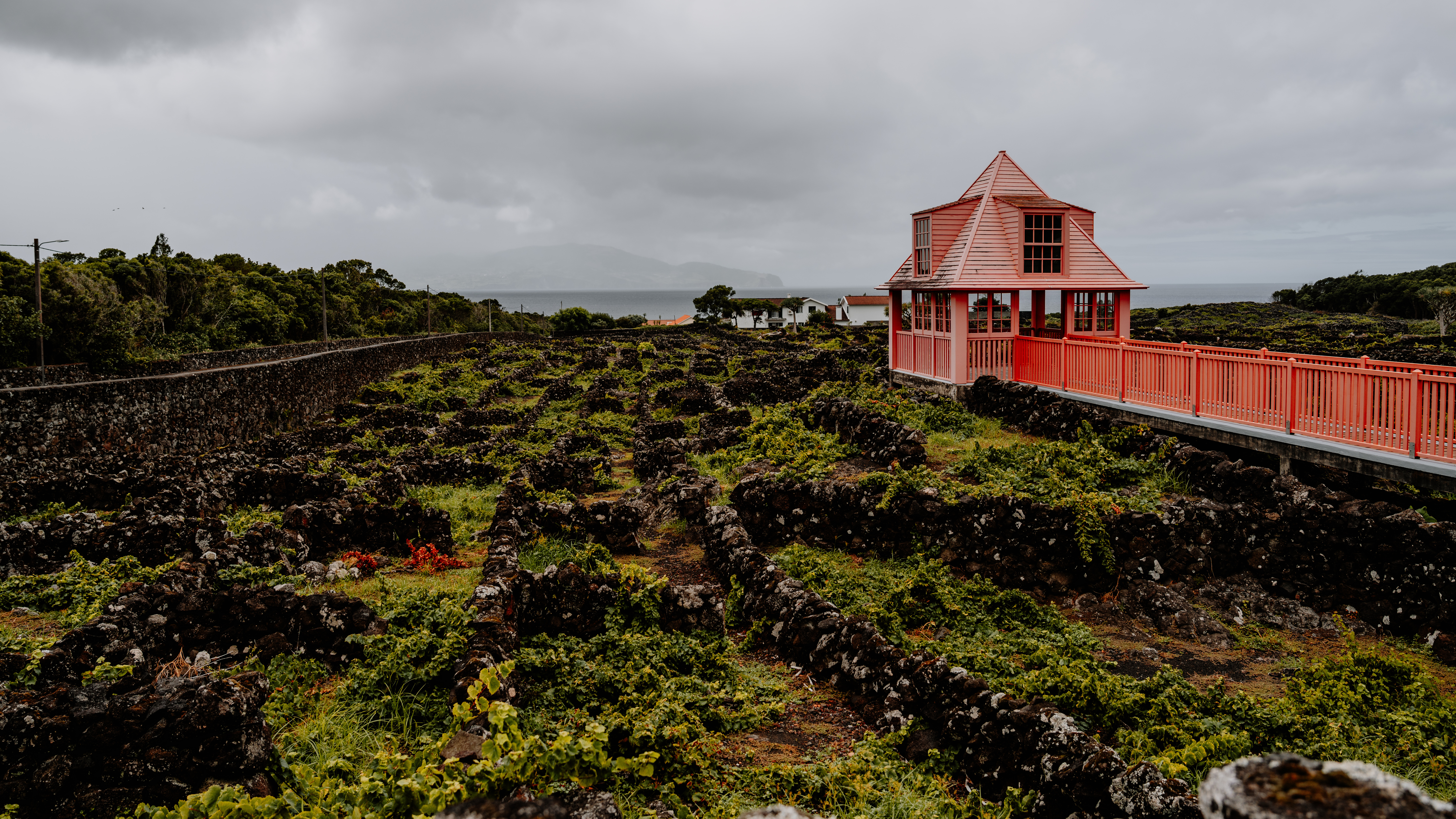
Wine has shaped Pico for centuries, though the conditions were anything but easy. The island’s surface is mostly bare volcanic rock, so early farmers painstakingly built thousands of low walls from basalt to shield each vine from the wind and sea spray. In places they even carried soil from elsewhere on the island and neighbouring islands to nurture the vines. The first vines were brought by settlers from mainland Portugal in the 15th century, but the real transformation came later when American varieties were introduced to combat the devastation of phylloxera in the 19th century. That adaptation kept the vineyards alive, and today the UNESCO-listed 'currais' remain one of the defining landscapes of Pico.
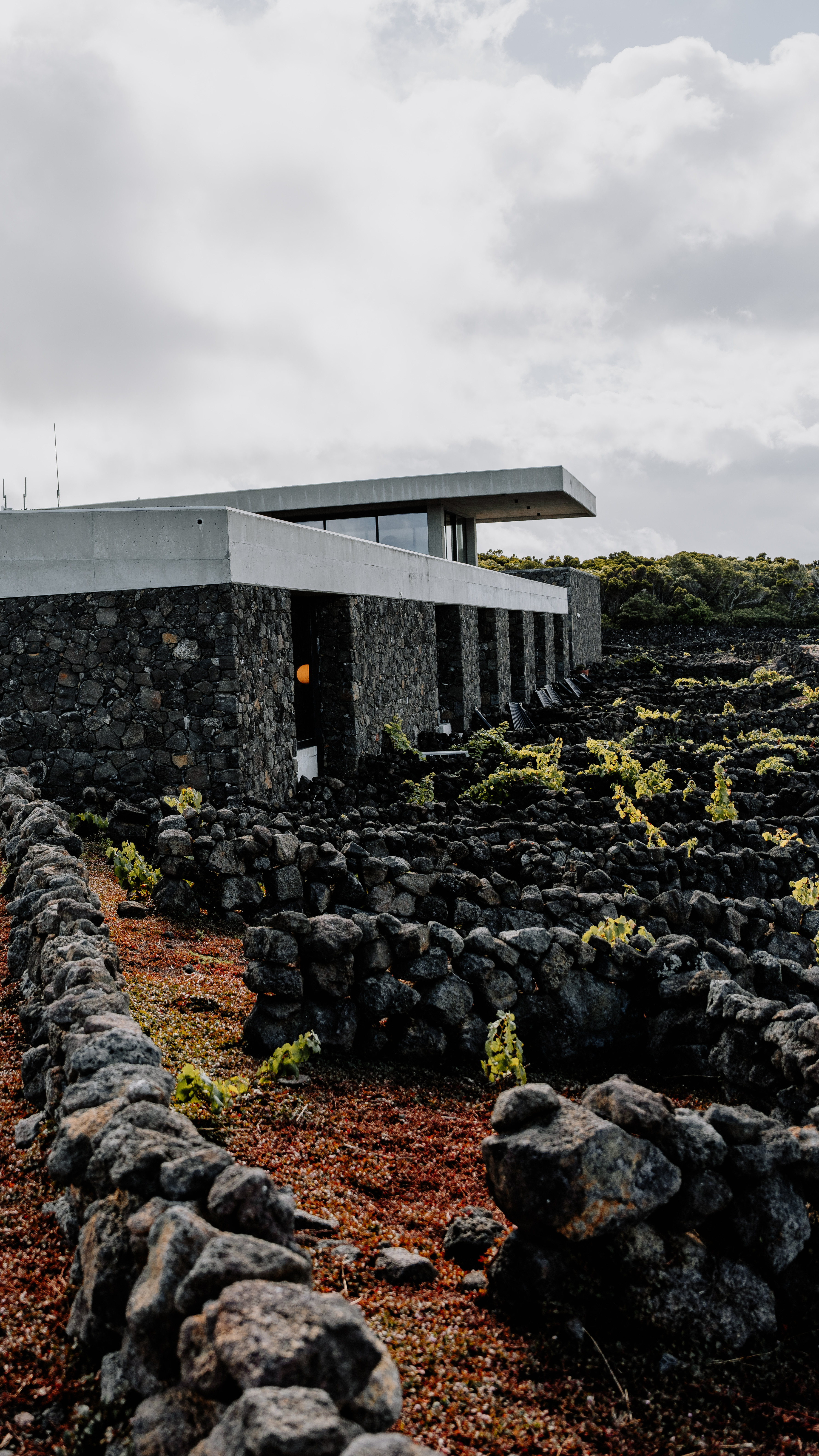
Feeling thirsty after our visit, we carried on along the north-west coast to the Azores Wine Company, part of António Maçanita’s winery. The tasting was described as “salt and spice,” three local wines full of the ocean’s influence, sipped against the backdrop of striking modern architecture and views to the sea.
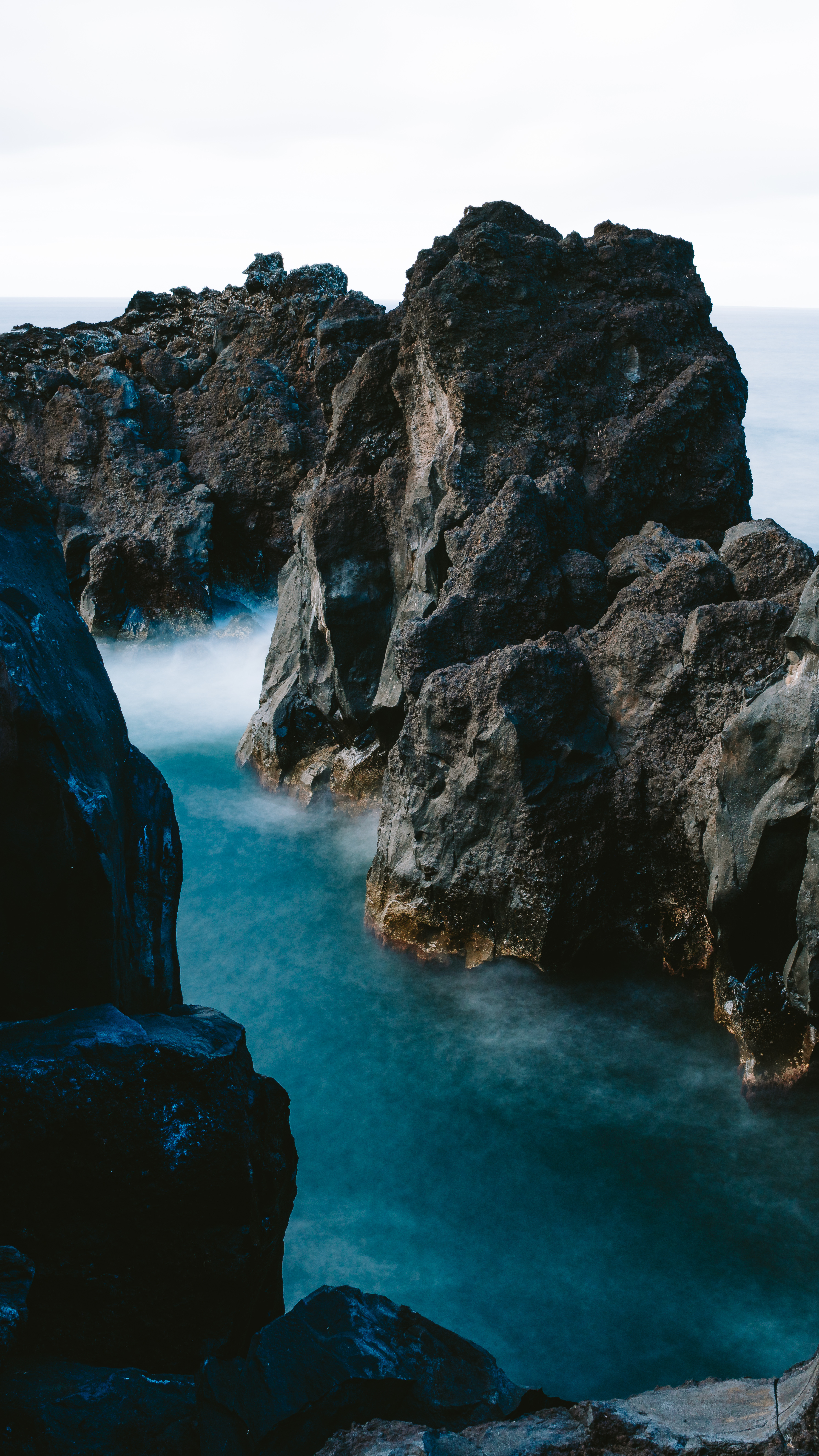
A short drive further brought us to the dramatic headland of Cabeça do Cachorro, the “dog’s head.” The waves boomed against jagged lava cliffs, the air thick with salt spray, the kind of place that reminds you how young and raw these islands still are (only 200,000 years old if you're wondering).
Dinner that evening was back in Madalena by the harbour: small plates of fresh fish, seared tuna, and shrimp bao buns, each dish simple but beautifully prepared. As the sun sank lower in the sky, we drove west along the coast, the last of the light dancing on the Atlantic before the road twisted upward into the mountain.
The climb back to our accommodation in the car wound through forests dense and thriving, an astonishing mix of species layered across the slopes. At one point we stopped to explore on foot. Here, nature had reclaimed what people had once worked, the outlines of vineyards still marked by volcanic stone walls, now almost hidden under ferns and trees. As the light faded, we carried on uphill to share a bottle of Azorean white wine and mark the end of another day on this extraordinary island.